December 2015

2700-Year-Old Farmhouse, Byzantine Monastery With Silver Coins And Colorful Mosaics Unearthed In Rosh Ha-'Ayin, Israel

2700-Year-Old Farmhouse, Byzantine Monastery With Silver Coins And Colorful Mosaics Unearthed In Rosh Ha-‘Ayin, Israel

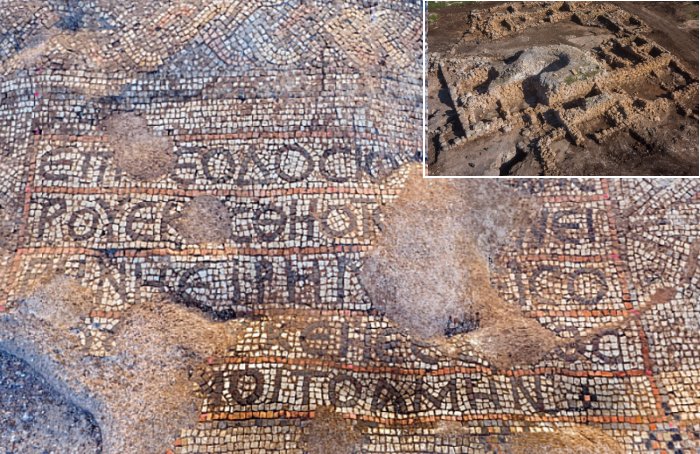
Conny Waters – AncientPages.com – A few years back, Rosh Ha‘ayin unveiled some remarkable historical treasures. Photo credit:  Assaf Peretz, Israel Antiquities Authority, and Griffin Higher Photography. An imposing farmstead from First Temple era, a monastery, and a church adorned with vibrant mosaics and intriguing inscriptions were discovered by archaeologists from the Israel Antiquities Authority (IAA) […]
2700-Year-Old Farmhouse, Byzantine Monastery With Silver Coins And Colorful Mosaics Unearthed In Rosh Ha-‘Ayin, Israel Read More »

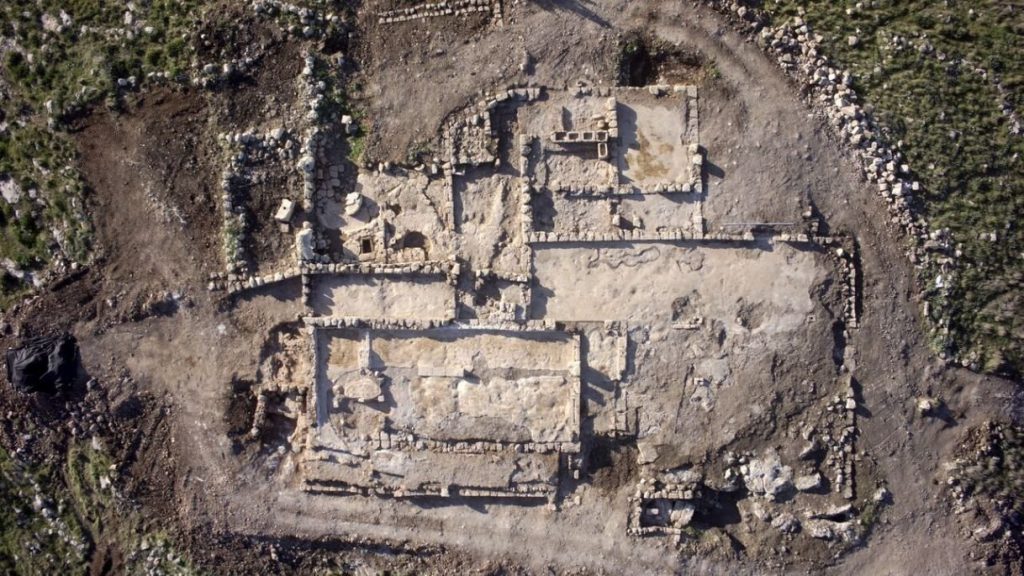
Aerial view of the farmstead Copyright: Griffin Aerial Photography

Impressive 2,700-Year-Old Farmhouse And 1,500-Year-Old Monastery Uncovered In Rosh Ha-‘Ayin

AncientPages.com – An impressive 2,700 year old farmhouse and a 1,500 year old church with colorful mosaics and inscriptions in it were uncovered in the excavations in Rosh Ha-Ayin,  the Israel Antiquities Authority spokesperson, informed. The farmhouse  (30 × 50 meters had once 24 rooms constructed around a central courtyard and a large storage (silo) for grain

Impressive 2,700-Year-Old Farmhouse And 1,500-Year-Old Monastery Uncovered In Rosh Ha-‘Ayin Read More »

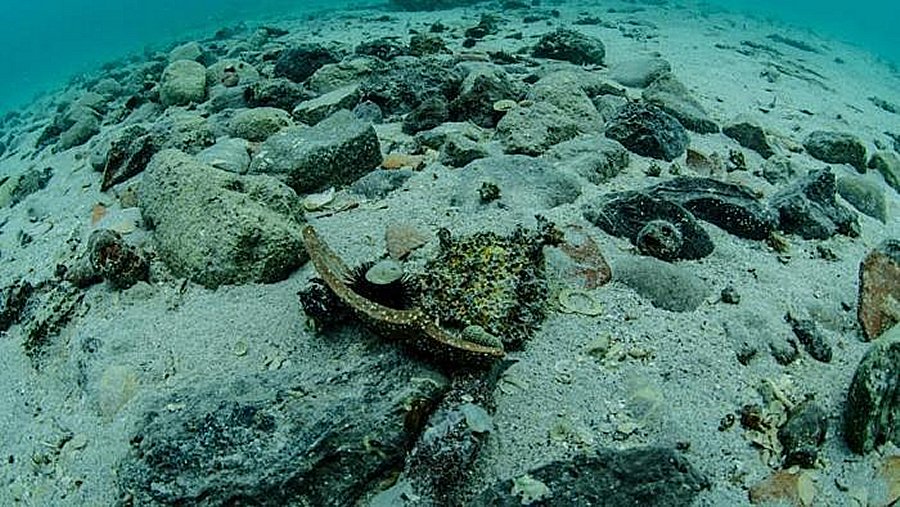
The wreck of a ship is believed to date back to either the 12th or 13th century, has been found off the coast of Salento. Photo: Area Marina Protetta Porto Cesareo

800-Year-Old Shipwreck Discovered Off Salento Coast, Italy

AncientPages.com – The wreck of an ancient ship has been discovered off the coast of Salento. It is believed the wreck dates back to either the 12th or 13th century. The sunken ship, made almost entirely of wood and measuring 18 metres by 4.5 metres, has lain for years untouched near the coastline of Salento, in the southern

800-Year-Old Shipwreck Discovered Off Salento Coast, Italy Read More »

Ancient Irish genomes each show unequivocal evidence for massive migration.

Intriguing Genetics: First Ancient Irish Human Genomes – Sequenced

AncientPages.com – A team of geneticists from Trinity College Dublin and archaeologists from Queen’s University Belfast have sequenced the genomes of an early farmer woman, who lived near Belfast some 5,200 years ago, and three men from a later period, around 4,000 years ago in the Bronze Age, after the introduction of metalworking. These ancient Irish

Intriguing Genetics: First Ancient Irish Human Genomes – Sequenced Read More »

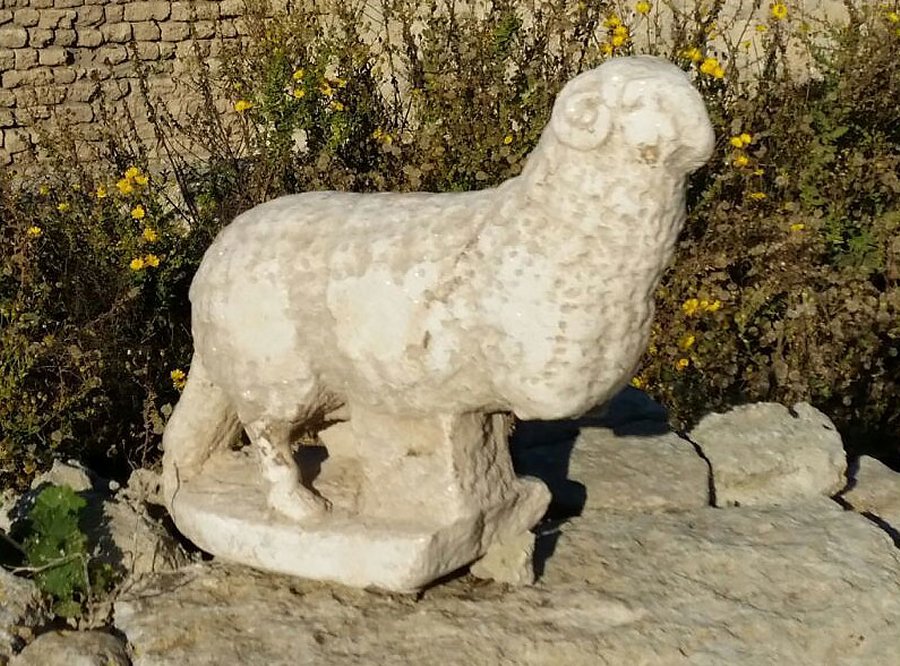
The marble statue discovered in Caesarea Copyright: Vered Sarig, The Caesarea Development Corporation

Impressive Marble Statue Of A Ram, An Ancient Christian Symbol For Jesus Discovered

AncientPages.com – An impressive marble statue of a ram, an ancient Christian symbol for Jesus, was discovered on Christmas Eve during the excavation of a Byzantine-period church in Caesarea, the Israel Antiquities Authority spokesperson, informed. The discovery was made last Thursday morning in an archaeological excavation, archaeologists are conducting in the Caesarea Harbor National Park, at the initiative

Impressive Marble Statue Of A Ram, An Ancient Christian Symbol For Jesus Discovered Read More »

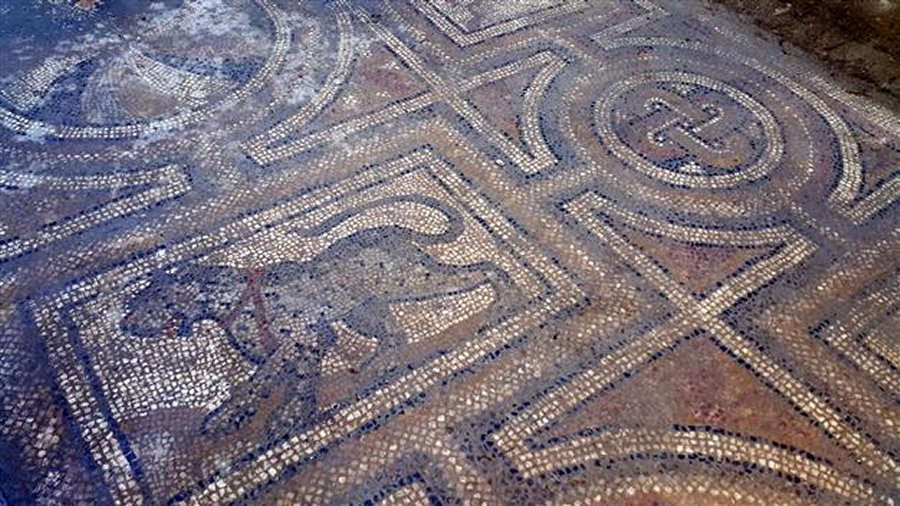
Roman mosaics were a common feature of private homes and public buildings across the empire from Africa to Antioch. Photo credits: DHA Photos

Ruins Of A Roman-Era Bath And A Floor Mosaic Discovered In Central Anatolia

AncientPages.com –  Mosaics were a common feature of private homes and public buildings across the Roman empire. They were beautiful works of art depicting food, tools they used, clothes, animals and flowers. They also constitute invaluable records of the Romans daily activities. Now, ruins of a Roman-era bath and a floor mosaic have been discovered during

Ruins Of A Roman-Era Bath And A Floor Mosaic Discovered In Central Anatolia Read More »

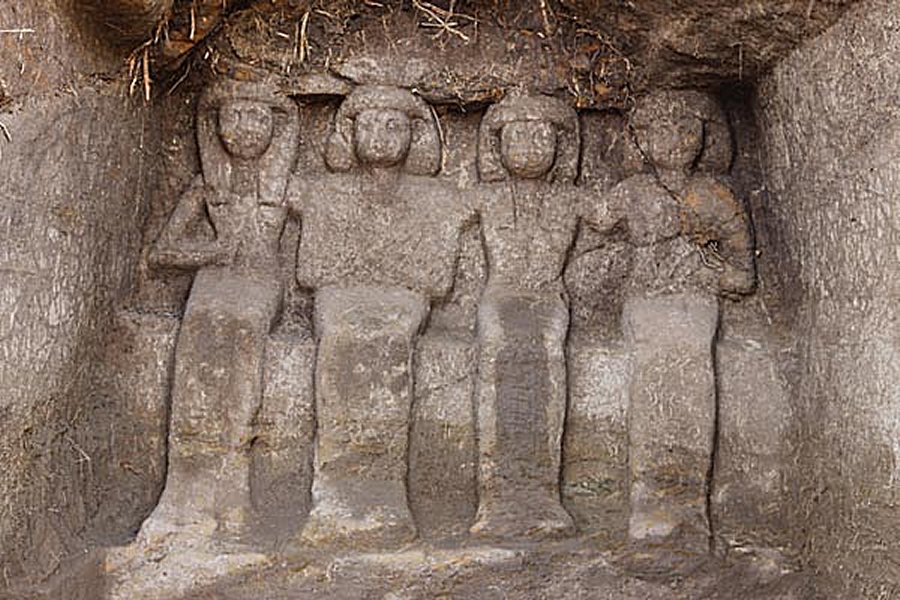
Neferkhewe and his family in chapel 31. Credits: Egypt's Ministry of Antiquities

Niches With Six Figures Cut In Rock Discovered At Gebel Al-Silsila, Aswan

AncientPages.com – Archaeologists discovered two niches with six figures cut in rock inside two New Kingdom chapels in the Gebel Al-Silsila area, Egypt’s largest sandstone quarries located to the north of Aswan. The discovery was made during a survey carried out by a Swedish archaeological mission from Lund University inside two New Kingdom Egyptian chapels named Chapel

Niches With Six Figures Cut In Rock Discovered At Gebel Al-Silsila, Aswan Read More »

Luna Settlement: First Multi-Year European Settlement Identified In Pensacola, Florida

Luna Settlement: First Multi-Year European Settlement Identified In Pensacola, Florida

Conny Waters – AncientPages.com – Archaeologists of the University of West Florida recently identified the archaeological site of the Luna settlement – the first multi-year European settlement in the United States – in a developed neighborhood in Pensacola. The artifacts discovered are evidence of the Spanish settlement by Tristán de Luna y Arellano from 1559 to

Luna Settlement: First Multi-Year European Settlement Identified In Pensacola, Florida Read More »

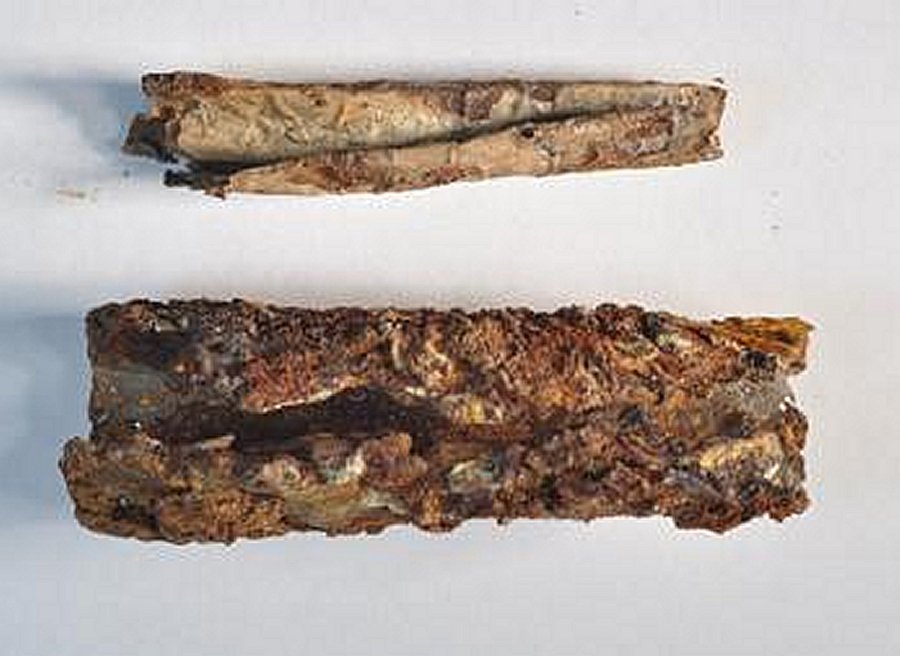
Silver scroll (above) and lead case (below) after separation by conservator. Silver scroll (above) and lead case (below) after separation by conservator. Photo credits: Rubina Raja

CT Scanning And 3D-Modelling Used To ‘Unfold’ Ancient Silver Plate Found In Jerash

AncientPages.com –  A team of archaeologists led by professor Rubina Raja at Aarhus University, Denmark, have used CT scanning and advanced 3D-modelling to virtually ‘unfold’ the silver plate found in Jerash. “It’s the first time that it’s ever been done for such a complex roll, and we can now use the same technique on other

CT Scanning And 3D-Modelling Used To ‘Unfold’ Ancient Silver Plate Found In Jerash Read More »

Photo taken on Dec 20, 2015 shows hoof-shaped gold ware unearthed from the main coffin in the Haihunhou (Marquis of Haihun) cemetery, East China's Jiangxi province. [Photo/Xinhua]

Does A 2,000-Year-Old Tomb Belong To Marquis of Haihun? – Search For His Seal Continues

AncientPages.com – Chinese archaeologists on Sunday opened the lid of the external coffin of a 2,000-year-old tomb, which they believe belong to a marquis of the Western Han Dynasty (206 BC – 24 AD). They found a large number of gold and jade items, a piece of fine lacquerware decorated with gold foil in the space

Does A 2,000-Year-Old Tomb Belong To Marquis of Haihun? – Search For His Seal Continues Read More »