July 2020

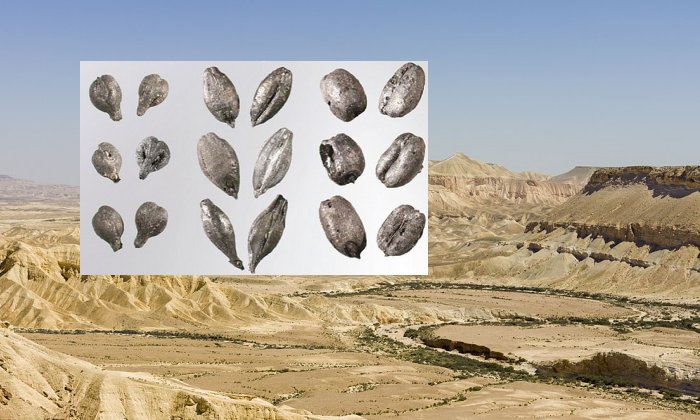
Collapse in the Byzantine Empire 1,500 years ago, grape pips reveal

When And Why Negev Highlands’ Agricultural Settlement Was Abandoned? – Researchers Have Answers 

Conny Waters – AncientPages.com – By analyzing ancient plant remains and other archaeological artifacts, Israeli archaeologists have been able to document the rise and fall of flourishing communities that lived in the region highlands of the Negev desert about 1,600 years ago. The mosaic of Kissufim near Gaza, depicting Orbikon the camel driver, captures the overland […]

When And Why Negev Highlands’ Agricultural Settlement Was Abandoned? – Researchers Have Answers  Read More »

Simple 1,000-Year-Old Medieval Medicine Cure Can Treat Modern Infections – Study Shows

Simple 1,000-Year-Old Medieval Medicine Cure Can Treat Modern Infections – Study Shows

Jan Bartek – AncientPages.com – Many ancient cultures used plants to treat infections and diseases. Archaeological evidence indicates that the use of medicinal plants dates back to the Paleolithic age, approximately 60,000 years ago. Herbs can be more useful than most think, and there are many documented cases that show certain plants can be used for a

Simple 1,000-Year-Old Medieval Medicine Cure Can Treat Modern Infections – Study Shows Read More »

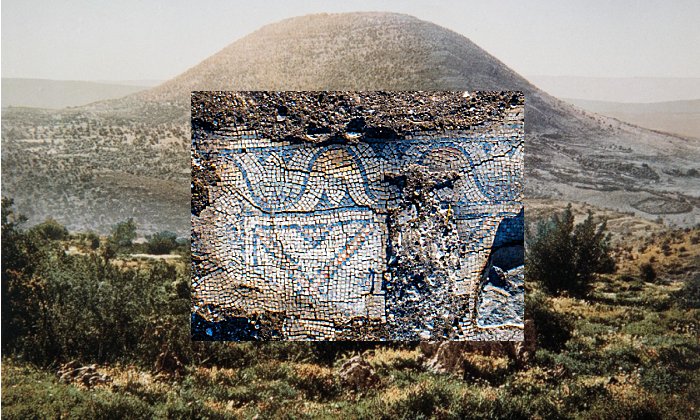
Mosaic floor of the ancient church near Mt. Tabor, Israel

1,300-Year-Old Church Discovered Near Mt. Tabor In Lower Galilee, Israel

Conny Waters – AncientPages.com – The new discovery hints at the apparent importance of the Christian village settled in the Byzantine period close to Mount Tabor, a site of primary religious significance for Christianity, identified as the site of the Transfiguration. Mount Tabor is important as a Biblical site from both the Old and New

1,300-Year-Old Church Discovered Near Mt. Tabor In Lower Galilee, Israel Read More »

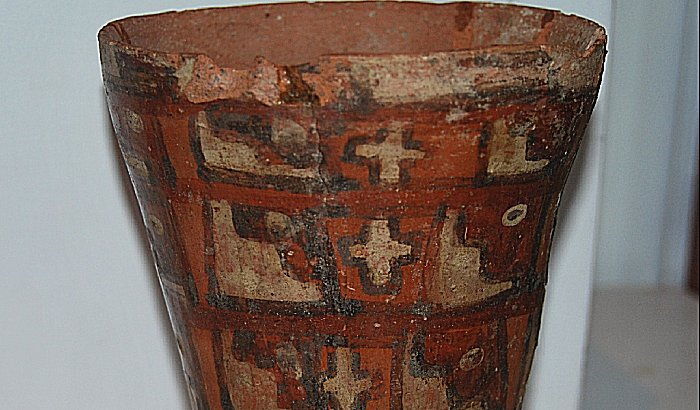
Qeros - Andean drinking vessels

Qeros: Study Of Drinking Vessels Provide New Clues To Long Traditions Of Andean People

Conny Waters – AncientPages.com – The beautiful drinking vessels known as qeros (or q’eros) have a long history in the region of Cuzco. They were wooden cups that the natives always made in pairs. This tradition is closely associated with Andean duality. The cups were made in two forms, one was utilitarian and the other

Qeros: Study Of Drinking Vessels Provide New Clues To Long Traditions Of Andean People Read More »

Mysterious Ancient Village In A Prehistoric Anomaly Zone - Unexplained Sightings And Sounds - Part 1

Mysterious Ancient Village In A Prehistoric Anomalous Zone – Unexplained Sightings And Sounds – Part 1

A. Sutherland – AncientPages.com –  Nothing is as it should be in this mysterious, little-known ancient village located in a prehistoric anomalous zone. It was once a sacred site where people gathered performing rituals. The place is shrouded in a veil of mystery, and unusual energy emitted in the area is said to have both

Mysterious Ancient Village In A Prehistoric Anomalous Zone – Unexplained Sightings And Sounds – Part 1 Read More »

Mediterranean Sea Was Hotter 2,000 Years Ago And Contributed To The Fall Of The Roman Empire

Mediterranean Sea Was Hotter 2,000 Years Ago And Contributed To The Fall Of The Roman Empire

Jan Bartek – AncientPages.com – Climate change is a natural process and it affects all living beings, but how much must temperatures change for a powerful ancient civilization to fall? According to a new study, the fall of the Roman Empire coincided with the warmest period of the last 2,000 years in the Mediterranean. Researchers

Mediterranean Sea Was Hotter 2,000 Years Ago And Contributed To The Fall Of The Roman Empire Read More »

Neanderthals' gene related to pain

People With Neanderthals’ Pain-Related Gene May Suffer More On A Daily Basis

Conny Waters – AncientPages.com – With the help of the Neanderthal genomes of high quality that are available for studies, researchers can now identify genetic variants that were present in many or all Neanderthals. By using data from a huge population study in the UK, researchers show that people in the UK who inherited the

People With Neanderthals’ Pain-Related Gene May Suffer More On A Daily Basis Read More »

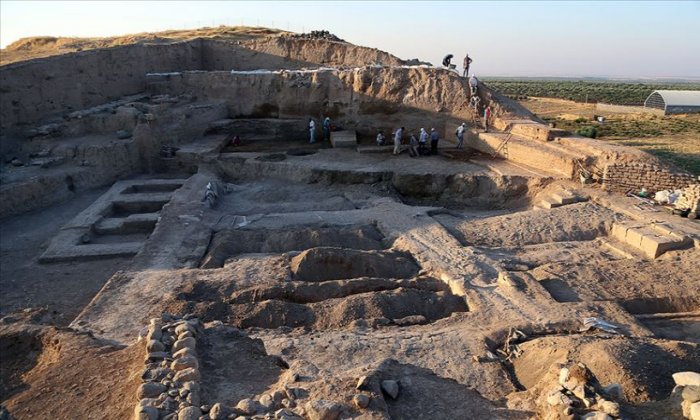
Oylum Höyük, Anatolia, Turkey

Excavations At Oylum Höyük In Southeast Anatolia Near Syrian Border – Resumed

Conny Waters – AncientPages.com – Excavation works started in Kilis at Oylum Höyük (mound), which is located at the zero point on the Syrian border. Oylum Höyük is the longest-running excavation project in the Southeastern Anatolia Region of Turkey and that the excavations have been going on for more than three decades. Excavations at Oylum

Excavations At Oylum Höyük In Southeast Anatolia Near Syrian Border – Resumed Read More »

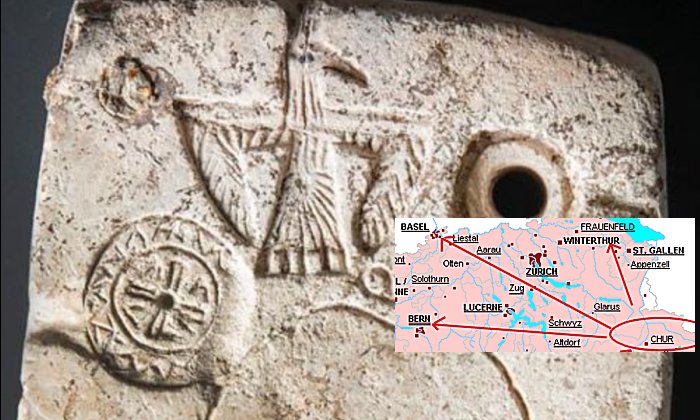
A thousand-year-old mold, used to make jewelry or sacred objects.

1,000-Year-Old Multi-Shaped, Double-Sided Mold For Jewelry Found In Swiss City Of Chur

Conny Waters – AncientPages.com – A 1,000-year-old, double-sided mold that was probably used for the manufacture of Christian-related objects or/and jewelry has been uncovered during excavations in Chur, the oldest town of Switzerland. The two-sided mold allowed up to seven different objects to be produced in series, including a cross and earrings. Department of Archaeology

1,000-Year-Old Multi-Shaped, Double-Sided Mold For Jewelry Found In Swiss City Of Chur Read More »

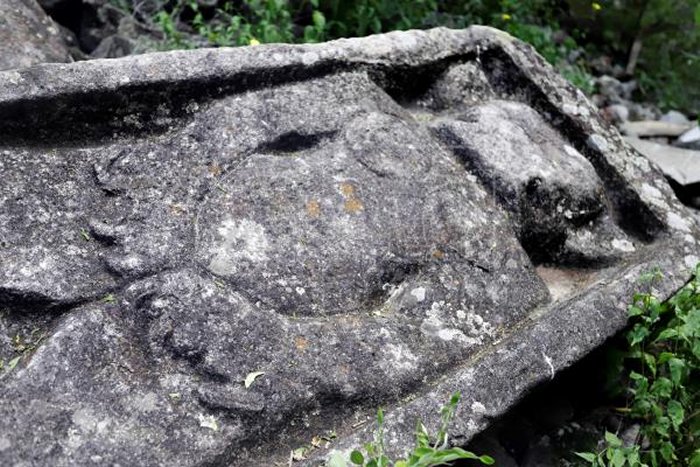
Pre-Hispanic Ruins in Puebla

Pre-Hispanic Carved Stone Monuments Discovered On A Mountaintop In Puebla, Mexico

Conny Waters – AncientPages.com – Two pre-Hispanic carved stone monuments were discovered on mountaintop known as the Cerro de Peña. They are believed to date back more than 1,500 years and can be found in the state of Puebla at an elevation of 1,845m (6,000 feet). The site is rather difficult to reach. Image source

Pre-Hispanic Carved Stone Monuments Discovered On A Mountaintop In Puebla, Mexico Read More »