Japanese Mythology

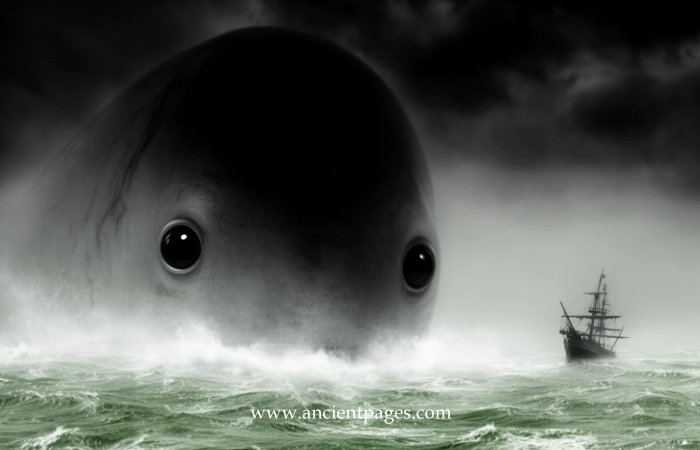
Frightening Aquatic Monster From Japanese Maritime Legends: A Primordial Sea Creature Or Dishonored Ancient Dragon?

Frightening Aquatic Monster From Japanese Maritime Legends: A Primordial Sea Creature Or Dishonored Ancient Dragon?

A. Sutherland – AncientPages.com – We all know that sailors must be prepared for inevitable encounters. Nights and stormy waters are dangerous in themselves and require standing attention, as they easily become the grave of those who make a living on them. When the sea is calm, the people of the sea are also calmer, […]
Frightening Aquatic Monster From Japanese Maritime Legends: A Primordial Sea Creature Or Dishonored Ancient Dragon? Read More »

Vengeful Spirits Of People Who Parished At Sea But Still Need New Companions

Vengeful Spirits Of People Who Perished At Sea But Still Need New Companions

A. Sutherland – AncientPages.com – Once, they were ordinary sailors or fishermen who died at sea or were drowned in the water during other dramatic circumstances. Their spirits never found rest; therefore, the only goal for them now is to roam the sea or a lake, driven by anger and resentment, seeking vengeance against others

Vengeful Spirits Of People Who Perished At Sea But Still Need New Companions Read More »

Mirror Of Demons, Ungaikyo: Haunted Mirror That Frightens, Revealing True Identity Of Evil Spirits

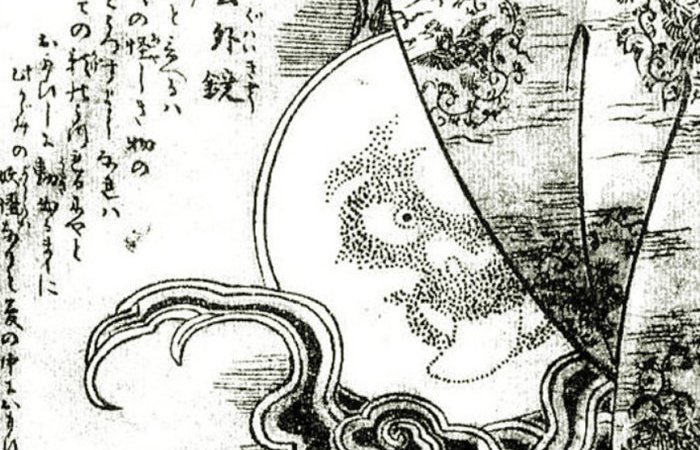
Mirror Of Demons, Ungaikyō: Haunted Mirror That Frightens, Revealing True Identity Of Evil Spirits

A. Sutherland – AncientPages.com – Mirrors have long captivated the human imagination as their reflective surfaces invite us to ponder what might exist beyond. The sense that there could be “another world” hidden behind the glass has motivated countless interpretations and beliefs throughout history. The so-called Ungaikyō, the mirror monster, is one such shrine mirror that

Mirror Of Demons, Ungaikyō: Haunted Mirror That Frightens, Revealing True Identity Of Evil Spirits Read More »

First Dream Of The New Year - Japanese Hatsuyume Tradition

First Dream Of The New Year – Japanese Hatsuyume Tradition

Ellen Lloyd – AncientPages.com – Like many other ancient cultures, people in Japan have long believed dreams can foretell the future. For example, ancient Egyptians believed certain signs or events in dreams revealed unpredictable information about the future. They used the messages in their dreams to cure illnesses, make important State decisions, and even decide

First Dream Of The New Year – Japanese Hatsuyume Tradition Read More »

Nurarihyon: Powerful Demon Of Obscure Origin, Chief Of All Yokai

Nurarihyon: Powerful Demon Of Obscure Origin, Chief Of All Yokai

A. Sutherland- AncientPages.com – Nurarihyon, a yokai shrouded in mystery and of obscure origin, has emerged as a leader among its kind. This distinction sets it apart from others, emphasizing its unique influence and significance within the realm of yokai spirits. What makes him different from other yokai? What distinguishes him to perform such a

Nurarihyon: Powerful Demon Of Obscure Origin, Chief Of All Yokai Read More »

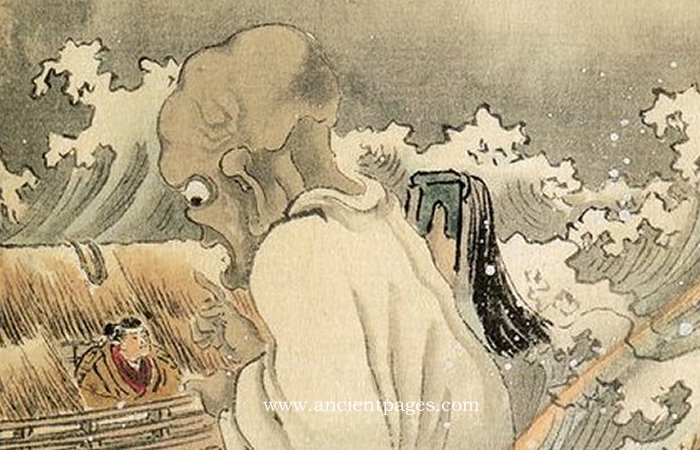
Mikoshi-Nyudo: Evil, Bald-Headed And Long-Necked Yokai Goblin In Japanese Folklore

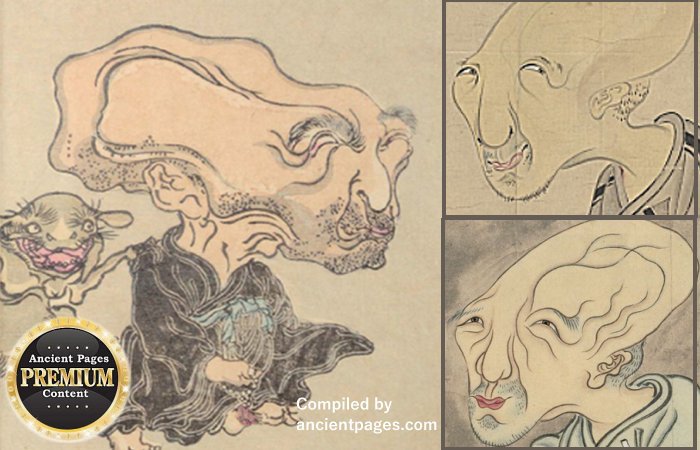
Mikoshi-Nyudo: Evil, Bald-Headed And Long-Necked Yokai Goblin In Japanese Folklore

A. Sutherland – AncientPages.com – Traditionally, Japanese folklore is rich in various weird creatures, commonly known as ‘yokai.’ All are fascinating, and each has its own style. Many are loved, and others feared, but all have been part of Japan’s popular culture for centuries. The Yokai creatures have accompanied people from the Edo period (1603–1868),

Mikoshi-Nyudo: Evil, Bald-Headed And Long-Necked Yokai Goblin In Japanese Folklore Read More »

Noppera-bo: Odd Intimidating Human-Like Faceless Yokai In Japanese Folklore

Noppera-bo: Odd Intimidating Human-Like Faceless Yokai In Japanese Folklore

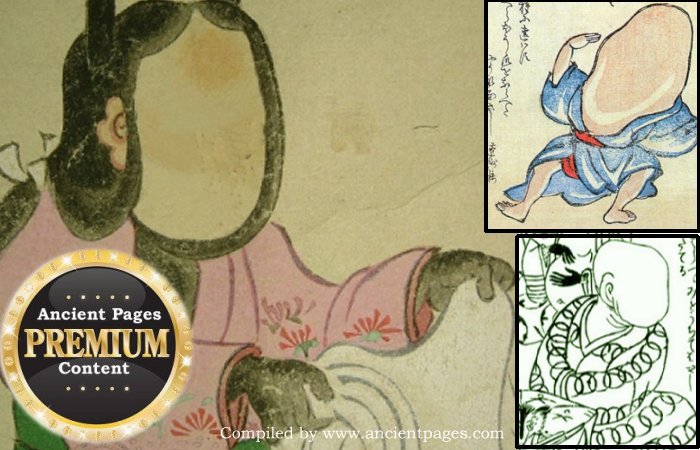
A. Sutherland – AncientPages.com – A Noppera-bo (noppera-bō) is one of many mysterious supernatural creatures of Japanese folklore. Today, it’s time to present a yokai Noppera-bo (”faceless one”) that looks human but has no face. The word “nupperi“ also ,nopperi) means “flat-faced.” It is reasonably believed that the idea of a flat or expressionless face also

Noppera-bo: Odd Intimidating Human-Like Faceless Yokai In Japanese Folklore Read More »

Female Yokai Kijo: Demonic Cannibal Is A Moral Reminder Associated With Magic And Curses In Japanese Beliefs

Female Yokai Kijo: Demonic Cannibal Is A Moral Reminder Associated With Magic And Curses In Japanese Beliefs

A. Sutherland  – AncientPages.com – The narratives surrounding the mythical female demons known as ‘kijo’ express a powerful moral warning: women who choose unethical or immoral paths are believed to risk transforming into terrifying beings that prey on humans. These stories are crafted to leave a lasting impression, urging listeners to reflect on their actions

Female Yokai Kijo: Demonic Cannibal Is A Moral Reminder Associated With Magic And Curses In Japanese Beliefs Read More »

Baku - Mythical Creature Devouring Nightmares

Legend Of Baku – The Dream Eater – Was It An Ancient Supernatural Being?

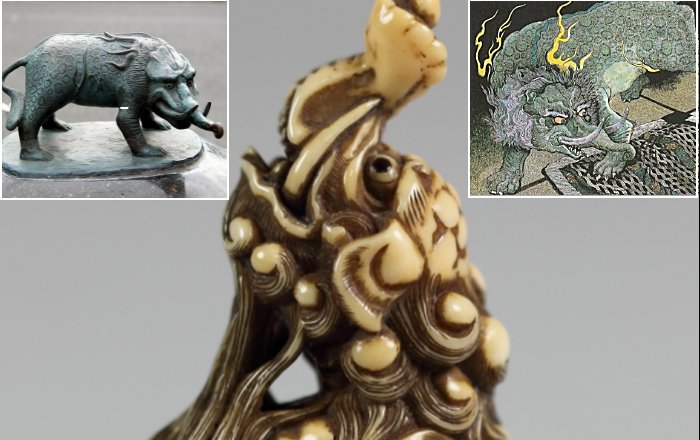
A. Sutherland – AncientPages.com – In Japanese mythology, we encounter an exciting creature known as Baku, which is well-known for eating bad dreams. However, there is also a darker side to Baku. According to tradition, people pray to him at night to devour nightmares so they may never be seen again. With Baku’s help, the day

Legend Of Baku – The Dream Eater – Was It An Ancient Supernatural Being? Read More »

Astronomers Confirm Solar Eclipses Mentioned In Indigenous folklore And Historical Documents In Japan

Astronomers Confirm Solar Eclipses Mentioned In Indigenous Folklore And Historical Documents In Japan

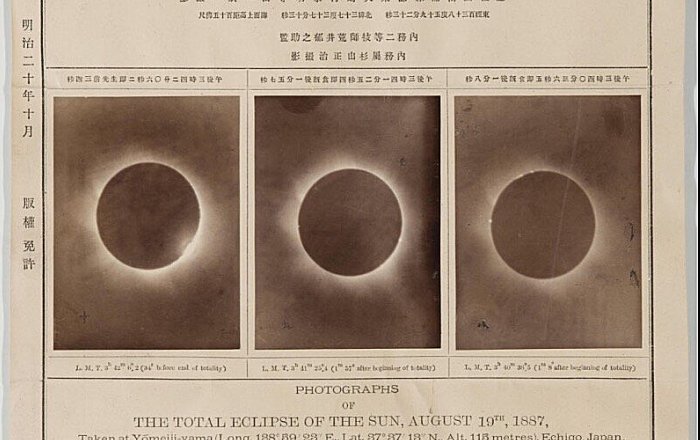
Conny Waters – AncientPages.com – By combining written texts, folklore, and astronomical calculations, a team of researchers at Nagoya University, the National Astronomical Observatory of Japan, and Otaru University of Commerce identified, examined, and analyzed specific records for three historical eclipses. One of the earliest eclipse photographs in Japan. Photographed by Ikunosuke Arai in 1887.

Astronomers Confirm Solar Eclipses Mentioned In Indigenous Folklore And Historical Documents In Japan Read More »