August 2015

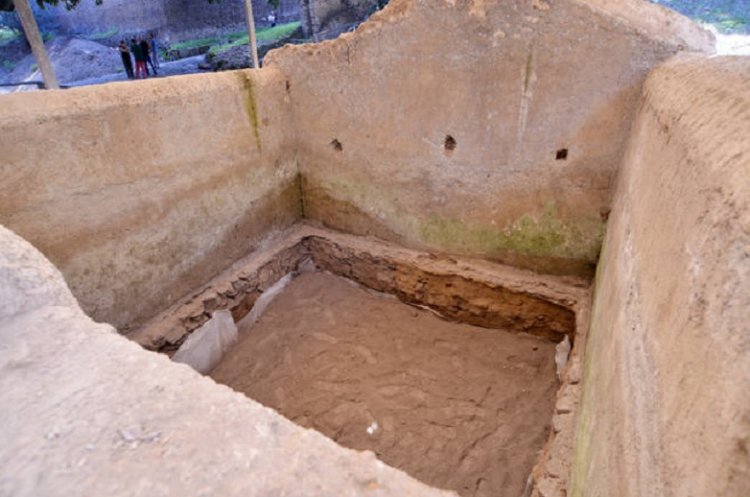
Badi-Bastet tomb, wall engravings

Tomb of the 26th dynasty vizier of Upper Egypt discovered in South Assassif, Luxor

Within the framework of the South Assassif Conservation Project on Luxor’s west bank, an Egyptian-American team stumbled upon a 26th dynasty tomb that belongs to the vizier of Upper Egypt, Badi-Bastet. Mahmoud Afifi, the head of the Ancient Egyptian Antiquities Department, explained that the tomb was found inside the tomb of Karabasken, who was Thebes’ […]

Tomb of the 26th dynasty vizier of Upper Egypt discovered in South Assassif, Luxor Read More »
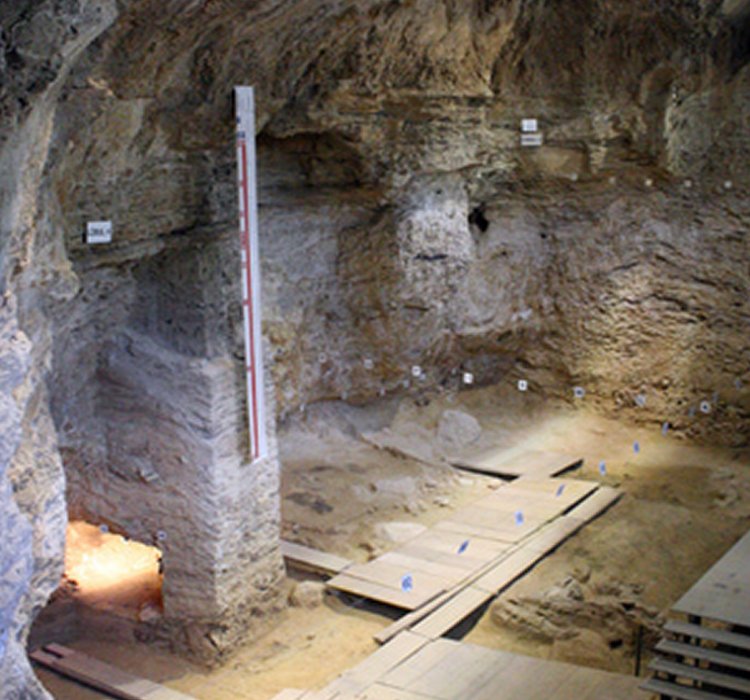
Abric Romani, Catalonia, Spain

Abric Romaní Cave: New evidence indicates Neanderthals used to heat water some 60,000 years ago

Conny Waters – AncientPages.com – Archaeologists from The Catalan Institute of Human Paleoecology and Social Evolution (IPHES) found about 10,000 Neanderthal artifacts and a sleeping area at Abric Romaní, an archaeological site located in a cliff outside of the village of Capellades, in the Autonomous Community of Catalonia, some 50 kilometers west of Barcelona, Spain.

Abric Romaní Cave: New evidence indicates Neanderthals used to heat water some 60,000 years ago Read More »

Roman mosaic, Sofia, Bulgaria

1,600-year-old Roman mosaics from ancient Serdica discovered in Sofia, Bulgaria

A floor mosaic from the 4th century AD has been discovered by archaeologists in the downtown of the Bulgarian capital Sofia during excavations of the ruins of the Ancient Thracian and Roman city of Serdica. The 1,600-year-old mosaic has been found under a concrete structure under the Dondukov Boulevard, in the area of the so

1,600-year-old Roman mosaics from ancient Serdica discovered in Sofia, Bulgaria Read More »

Burial mound, Semey, Kazakhstana

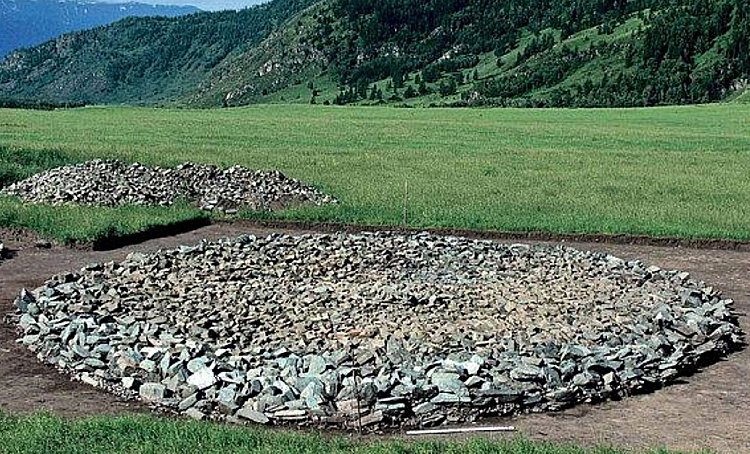
Headless remains related to Huns or Sarmatians puzzle archaeologists in Kazakhstan

Archaeologists have discovered headless remains in several large burial mounds in Semeytau, East Kazakhstan Oblast. The remains belong to ancient Huns and Sarmatians, Tengrinews reports citing Liter. The excavations began in early August and were made by an archaeological group from Semey that is part of East Kazakhstan archaeological expedition. The work was led by

Headless remains related to Huns or Sarmatians puzzle archaeologists in Kazakhstan Read More »

Neolithic oven, Cyprus

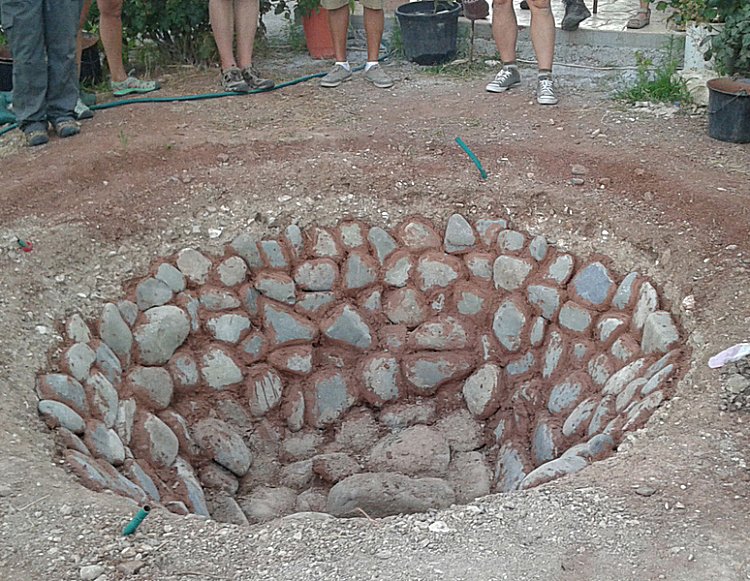
Prastio-Mesorotsos Excavations: Neolithic oven prepared food for 200 guests

The 2015 archaeological expedition at the Prastio-Mesorotsos site has been completed, revealing it was seasonally occupied from Prehistoric to Historic periods and was probably a place for cooking meat for a large crowd. The Department of Antiquities, Ministry of Communications and Works, announced the completion of the 2015 University of Edinburgh archaeological investigation at the

Prastio-Mesorotsos Excavations: Neolithic oven prepared food for 200 guests Read More »

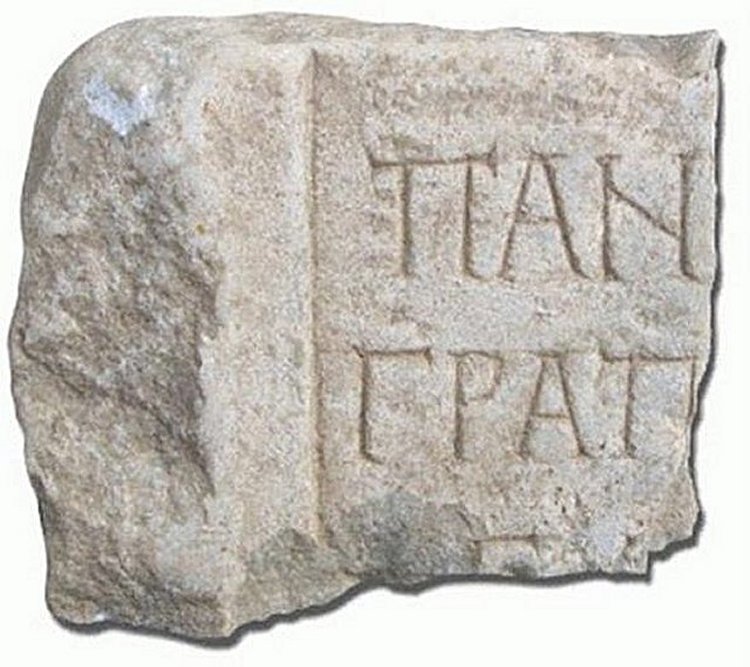
Calidae inscription, part of Gaius Pantuleius Graptiacus name

Inscription At Aquae Calidae Sheds Light On Last Years Of Ancient Thrace’s History

Recent discovery of a marble slab with an important inscription about the Odrysian Kingdom will shed light on the past of  the most powerful of the ancient Thracian states. The marble slab was unearthed at the site of Aquae Calidae, in Bulgaria’s Black Sea city of Burgas. The inscription is in an Ancient Greek and

Inscription At Aquae Calidae Sheds Light On Last Years Of Ancient Thrace’s History Read More »

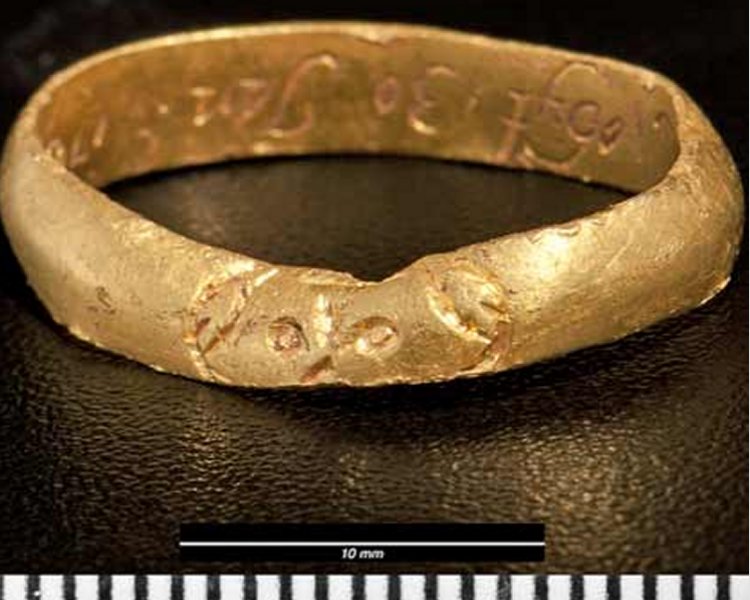
Mourning ring, Wales

Skulls and inscriptions on three rings found by archaeologists in Wales

Mourning rings honouring post-medieval dead, emblazoned with skulls and crosses, have been declared archaeological treasure in Wales. Post-medieval mourning is revealed in skulls and inscriptions on three rings found by archaeologists.   “The skull or death’s head is a motif which occurs on the earliest mourning rings, dating to the 15th century,” explains Dr Mark

Skulls and inscriptions on three rings found by archaeologists in Wales Read More »

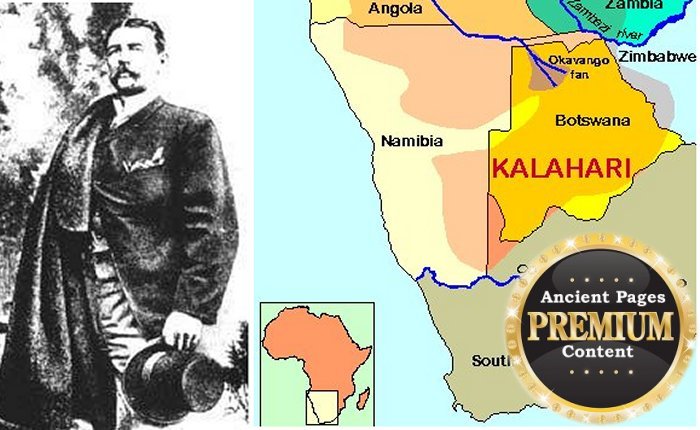
Unsolved Enigma Of The Lost Ancient City In The Kalahari Desert

A. Sutherland – AncientPages.com – It is believed that the ruins of ancient cities lie beneath the sands of the Kalahari Desert and they must be very old. This time our journey takes us to South Africa where we look for traces of the lost ancient city of Kalahari. There are several legends of lost city

Unsolved Enigma Of The Lost Ancient City In The Kalahari Desert Read More »

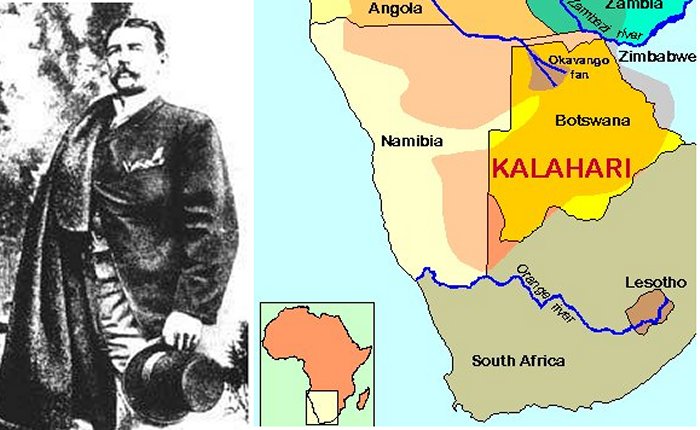
The Canadian Guillermo Farini (pseudonym of William Leonard Hunt) was one of the first westerners to cross the unexplored portion of the Kalahari.

Unsolved Enigma Of The Lost Ancient City In The Kalahari Desert

A. Sutherland – AncientPages.com – It is believed that the ruins of ancient cities lie beneath the sands of the Kalahari Desert, and they must be very old. This time, our journey takes us to South Africa, where we look for traces of the lost ancient city of Kalahari. There are several legends of lost cities

Unsolved Enigma Of The Lost Ancient City In The Kalahari Desert Read More »