May 2017

Ancient Site Tres Zapotes Offers Evidence The Olmecs Practiced Shared Governance

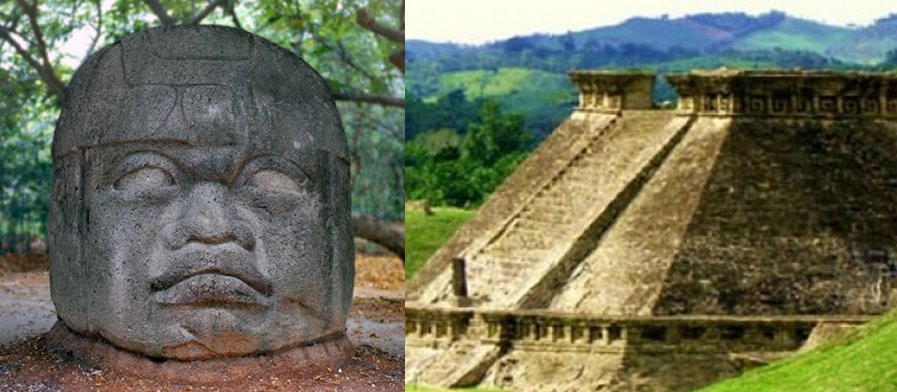
AncientPages.com – Located on the slopes in the State of Veracruz, Mexico there is a very intriguing ancient Olmec site known as Tres Zapotes. A Professor of Anthropology who has investigated this enigmatic place has found evidence that the Olmecs practiced shared governance. This could also be the reason why Tres Zapotes may have survived centuries […]

Ancient Site Tres Zapotes Offers Evidence The Olmecs Practiced Shared Governance Read More »

Garden Of Eden And Its Four Rivers – Possible Locations Of Biblical Paradise Suggested By Archaeologists, Historians And Biblical Scholars

Garden Of Eden And Its Four Rivers – Possible Locations Of Biblical Paradise Suggested By Archaeologists, Historians And Biblical Scholars

Ellen Lloyd – AncientPages.com – The Garden of Eden is one of many Biblical mysteries. If the legendary paradise existed, we would all like to know where it was located. Many archaeologists and historians have searched for the Garden of Eden, and there have occasionally been reports that this Biblical paradise, where Adam and Eve lived

Garden Of Eden And Its Four Rivers – Possible Locations Of Biblical Paradise Suggested By Archaeologists, Historians And Biblical Scholars Read More »

Major Discovery Of 15,000-Year-Old Artifacts Could Re-Write History Of Peru

Major Discovery Of 15,000-Year-Old Artifacts Could Re-Write History Of Peru

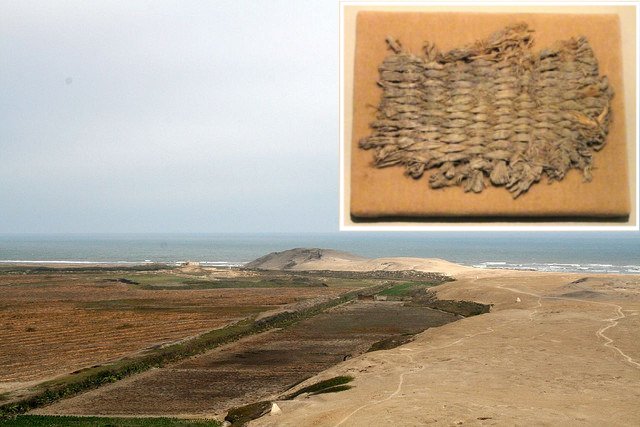
AncientPages.com – Archaeologists excavating in Peru have discovered traces of an ancient civilization inhabited by humans nearly 15,000 years ago during the Late Pleistocene and Early Holocene ages. The groundbreaking discovery was made in Huaca Prieta in coastal Peru, home to one of the earliest and largest pyramids in South America. Hundreds of thousands of artifacts,

Major Discovery Of 15,000-Year-Old Artifacts Could Re-Write History Of Peru Read More »

Surprising Discovery Reveals Why Medieval Graves Were Re-Opened – Stealing Was Not The Purpose

Surprising Discovery Reveals Why Medieval Graves Were Re-Opened – Stealing Was Not The Purpose

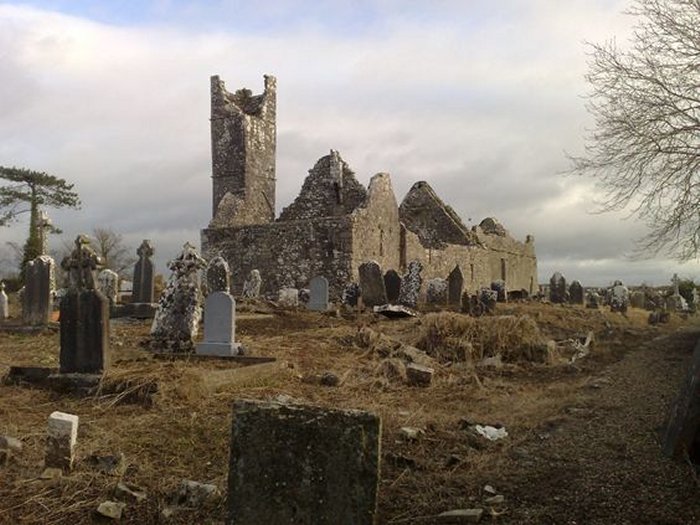
AncientPages.com – During the Middle Ages, many graves were re-opened. It has previously been assumed that this was because thieves wanted to steal valuable items such as jewellery and weapons that were often buried with the deceased. However, there is now reason to assume the intention was something entirely different. Martine van Haperen at Leiden University,

Surprising Discovery Reveals Why Medieval Graves Were Re-Opened – Stealing Was Not The Purpose Read More »

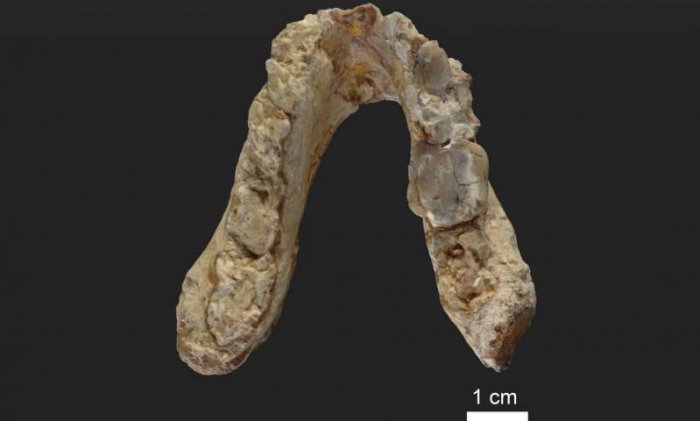
The lower jaw of the 7.175 million year old Graecopithecus freybergi (El Graeco) from Pyrgos Vassilissis, Greece (today in metropolitan Athens). Credit: Wolfgang Gerber, University of Tübingen

7.2-Million-Year-Old Pre-Human Remains Suggest Our First Ancestor Came From Europe Not Africa

AncientPages.com – Two fossils of the species Graecopithecus freybergi, discovered in Greece and Bulgaria have now been dated to between 7.2 and 7.1 million years ago. The discovery is quite intriguing because it suggests first human ancestors came from Europe and not Africa, as previously thought. Present-day chimpanzees are humans’ nearest living relatives. Where the last

7.2-Million-Year-Old Pre-Human Remains Suggest Our First Ancestor Came From Europe Not Africa Read More »

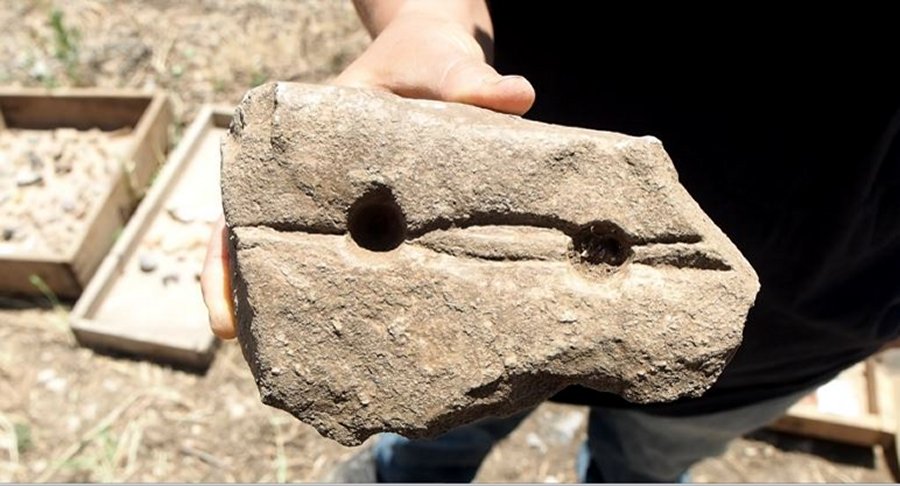
Evidence of producing fire in the region, in the form of ash and charcoal, already exists from the Old Stone Age – about 800,000 years ago; burnt seeds and flint chips were exposed at Gesher Bnot Ya'akov in the north of the country. Image: Israel Antiquities Authority

Stone Slab c. 9,000-Year-Old Used In Making Fire Discovered Not Far From Jerusalem, Israel

AncientPages.com – A rare stone slab that was most probably used in fire making was excavated in Ramat Beit Shemesh, not far from Jerusalem, Israel. “The ancient people who lived here during the Pre-pottery Neolithic B period (around 8500-5500 BC) prepared a thick limestone slab with two depressions in it and grooves between them that connected

Stone Slab c. 9,000-Year-Old Used In Making Fire Discovered Not Far From Jerusalem, Israel Read More »

Secrets Of The Gods - Why The Papyrus Of Manetho And His Pre-Dynastic King List Upset Egyptologists

Secrets Of The Gods – Why The Papyrus Of Manetho And His Pre-Dynastic King List Upset Egyptologists

Ellen Lloyd – AncientPages.com – With its magnificent pyramids, the sphinx, mysterious tombs and enigmatic hieroglyphs, Egypt is a country full of ancient secrets, some of which are heavily guarded. Ancient Egyptians possessed sophisticated knowledge of astronomy, medicine, architecture and many other sciences. In the ancient world, the enigmatic Egyptians were one of the most advanced

Secrets Of The Gods – Why The Papyrus Of Manetho And His Pre-Dynastic King List Upset Egyptologists Read More »

Beautiful Perge's mosaics

Mosaics With Oceanus And Medusa In Tomb Of Ancient City Of Perge, Turkey

Conny Waters – AncientPages.com – Mosaics unearthed during excavation works in the ancient city of Perge in the southern province of Antalya are known as “Turkey’s second Zeugma” for their very attractive appearance. They are located in the antique town of Perge situated about 18 km east of Antalya. Historians think that Perge was founded at

Mosaics With Oceanus And Medusa In Tomb Of Ancient City Of Perge, Turkey Read More »

Mysterious Shemsu Hor - Followers Of Horus Were Semi-Divine Kings And Keepers Of Sacred Knowledge In Predynastic Egypt

Mysterious Shemsu Hor – Followers Of Horus Were Semi-Divine Kings And Keepers Of Sacred Knowledge In Predynastic Egypt

Ellen Lloyd – AncientPages.com – The ancient Egyptians viewed their civilization as a legacy coming directly from divine beings who existed in Egypt thousands of years before the pharaonic dynasties.  Before the Sky Gods left and returned to the stars, they co-existed with a group of mysterious rulers known as the Shemsu Hor. Known as the

Mysterious Shemsu Hor – Followers Of Horus Were Semi-Divine Kings And Keepers Of Sacred Knowledge In Predynastic Egypt Read More »