Evolution

Were Other Humans The First Victims Of The Sixth Mass Extinction?

Were Other Humans The First Victims Of The Sixth Mass Extinction?

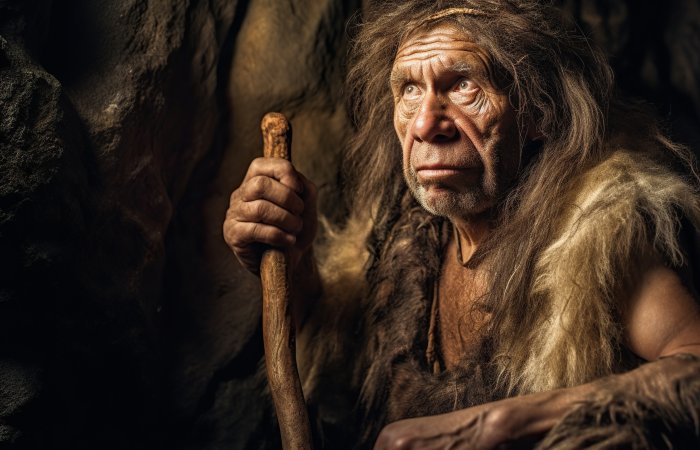
AncientPages.com – Nine human species walked the Earth 300,000 years ago. Now there is just one. The Neanderthals, Homo neanderthalensis, were stocky hunters adapted to Europe’s cold steppes. The related Denisovans inhabited Asia, while the more primitive Homo erectus lived in Indonesia, and Homo rhodesiensis in central Africa. A Neanderthal skull shows head trauma, evidence of ancient violence. Smithsonian National Museum of Natural History Several […]

Were Other Humans The First Victims Of The Sixth Mass Extinction? Read More »
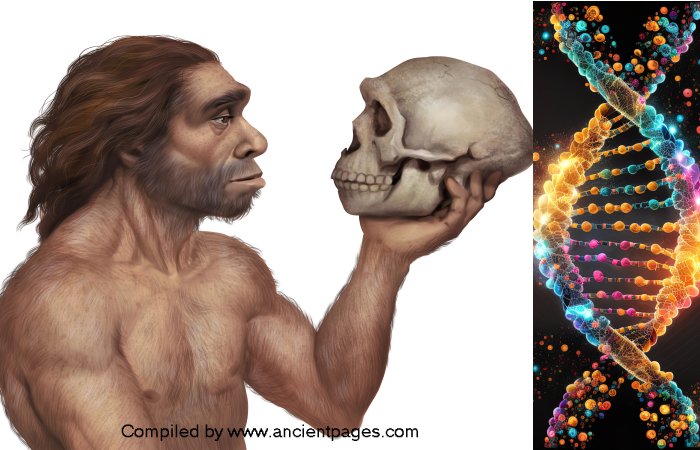
Denisovan Genetic Heritage Could Affect The Mental Health Of European And Asian Populations

Denisovan Genetic Heritage Could Affect The Mental Health Of European And Asian Populations

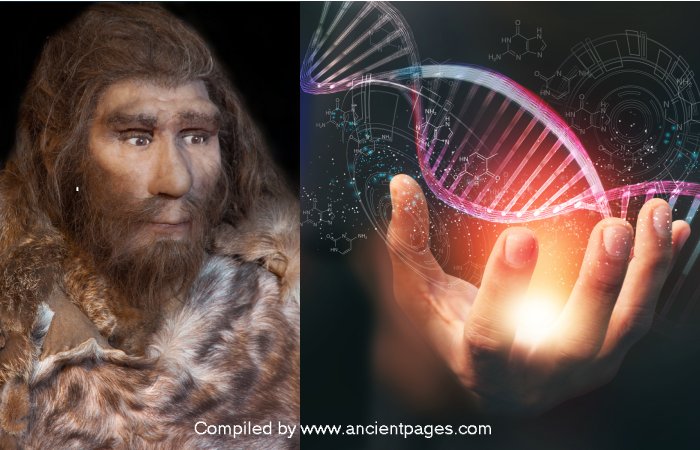
Jan Bartek – AncientPages.com – A research team led by the Institute of Evolutionary Biology (IBE) and Pompeu Fabra University (UPF) has identified the most widespread genetic contribution by Denisovans to date. The study reveals that the genetic variant observed, which affects zinc regulation, could have signified an evolutionary advantage in our ancestors’ adaptation to

Denisovan Genetic Heritage Could Affect The Mental Health Of European And Asian Populations Read More »

A Tooth That Rewrites History? The Discovery Challenging What We Knew About Neanderthals

A Tooth That Rewrites History? The Discovery Challenging What We Knew About Neanderthals

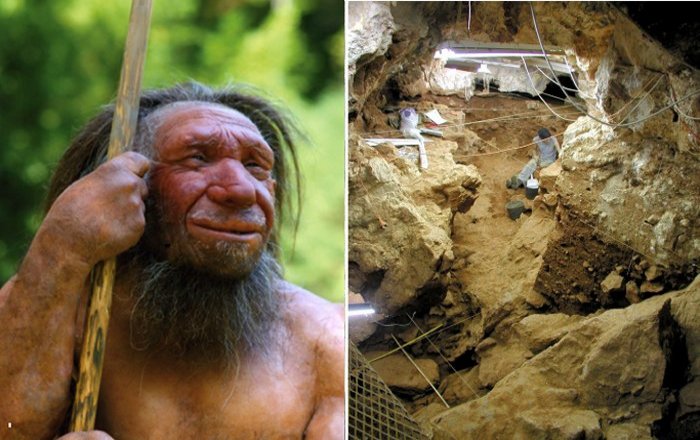
AncientPages.com – For generations, Neanderthals have been a source of fascination for scientists. This species of ancient hominim inhabited the world for around 500,000 years until they suddenly disappeared around 40,000 years ago. Today, the cause of their extinction remains a mystery. Credit: Adobe Stock – iridescentstreet Archaeologist Ludovic Slimak and his team have spent

A Tooth That Rewrites History? The Discovery Challenging What We Knew About Neanderthals Read More »

170-Million-Year-Old Sea Monster Identified As The Oldest Mega-Predatory Pliosaur

170-Million-Year-Old Sea Monster Identified As The Oldest Mega-Predatory Pliosaur

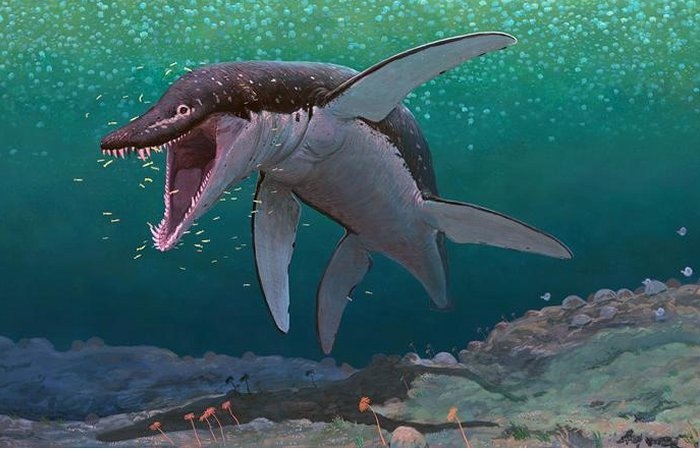
Eddie Gonzales Jr. – AncientPages.com – The fossils of a 170-million-year-old ancient marine reptile from the Age of Dinosaurs have been identified as the oldest-known mega-predatory pliosaur – a group of ocean-dwelling reptiles closely related to the famous long-necked plesiosaurs. The findings are rare and add new knowledge to the evolution of plesiosaurs. The oldest

170-Million-Year-Old Sea Monster Identified As The Oldest Mega-Predatory Pliosaur Read More »

Paradox Of Stasis - Lizard Study Challenges The Rules Of Evolutionary Biology

Paradox Of Stasis – Lizard Study Challenges The Rules Of Evolutionary Biology

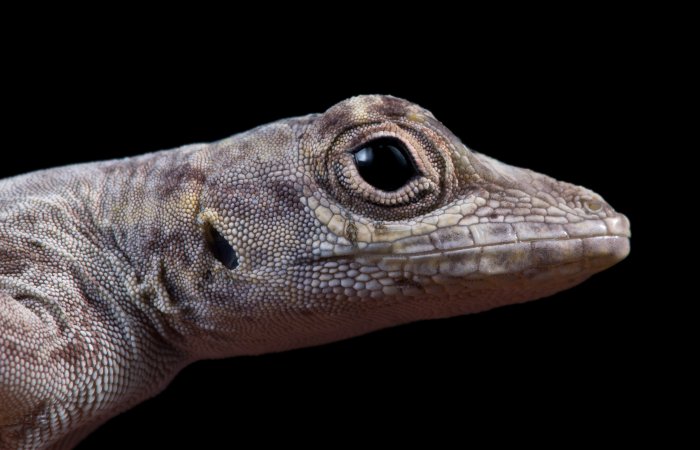
Eddie Gonzales Jr. – AncientPages.com – Charles Darwin said that evolution was constantly happening, causing animals to adapt for survival. But many of his contemporaries disagreed. If evolution is always causing things to change, they asked, then how is it that two fossils from the same species, found in the same location, can look identical

Paradox Of Stasis – Lizard Study Challenges The Rules Of Evolutionary Biology Read More »

Ice Age Cycles Played A Key Role In Early Human Interbreeding

Ice Age Cycles Played A Key Role In Early Human Interbreeding

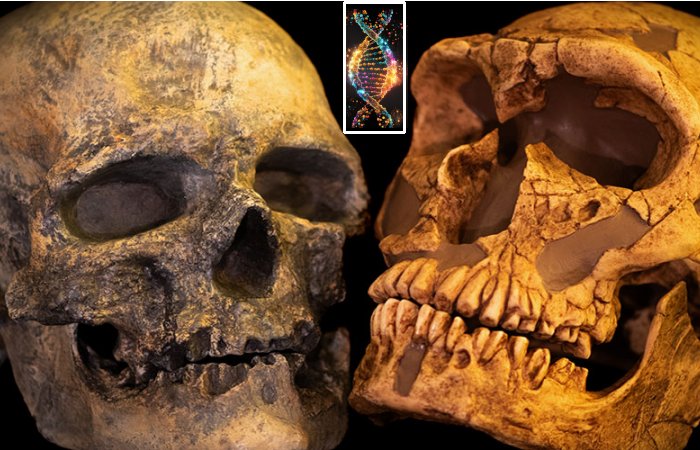
Conny Waters – AncientPages.com – Contemporary humans carry in their cells a small amount of DNA derived from Neanderthals and Denisovans. “Denny,” a 90,000-year-old fossil individual, recently identified as the daughter of a Denisovan father and a Neanderthal mother, bears testimony to the possibility that interbreeding was quite common among early human species. But when,

Ice Age Cycles Played A Key Role In Early Human Interbreeding Read More »

Encounter Between Neanderthals And Homo Sapiens - Genome Study Traces The History

Encounter Between Neanderthals And Homo Sapiens – Genome Study Traces The History

Conny Waters –  AncientPages.com – By analyzing genomes up to 40,000 years old, scientists have traced the history of migrations between Homo Sapiens and Neanderthals. About 40,000 years ago, Neanderthals, who had lived for hundreds of thousands of years in the western part of the Eurasian continent, gave way to Homo sapiens, who had arrived

Encounter Between Neanderthals And Homo Sapiens – Genome Study Traces The History Read More »

Neanderthals Inherited At Least 6% Of Their Genome From A Now-Extinct Lineage Of Early Modern Humans

Neanderthals Inherited At Least 6% Of Their Genome From A Now-Extinct Lineage Of Early Modern Humans

Jan Bartek – AncientPages.com – Modern humans migrated to Eurasia 75,000 years ago, where they encountered and interbred with Neanderthals. A new study published in the journal Current Biology shows that at this time Neanderthals were already carrying human DNA from a much older encounter with modern humans. The Penn-led research team, including collaborators from Addis Ababa

Neanderthals Inherited At Least 6% Of Their Genome From A Now-Extinct Lineage Of Early Modern Humans Read More »

Neanderthal Intelligence Revealed By Their Use Of Fire For Cooking

Neanderthal Intelligence Revealed By Their Use Of Fire For Cooking

Jan Bartek – AncientPages.com – The fact that Neanderthals were able to make a fire and use it, among other things, for cooking, demonstrates their intelligence. “This confirms our observations and theories from previous studies,” explains Diego Angelucci, archaeologist at the University of Trento and co-author of the study. Neanderthal reconstruction made by brother Kennis

Neanderthal Intelligence Revealed By Their Use Of Fire For Cooking Read More »