Evolution

Oldest And Most Complete Skeleton Of 'Homo Habilis' Offers New Insight Into The Evolution Of Early Humans

Oldest And Most Complete Skeleton Of ‘Homo Habilis’ Offers New Insight Into The Evolution Of Early Humans

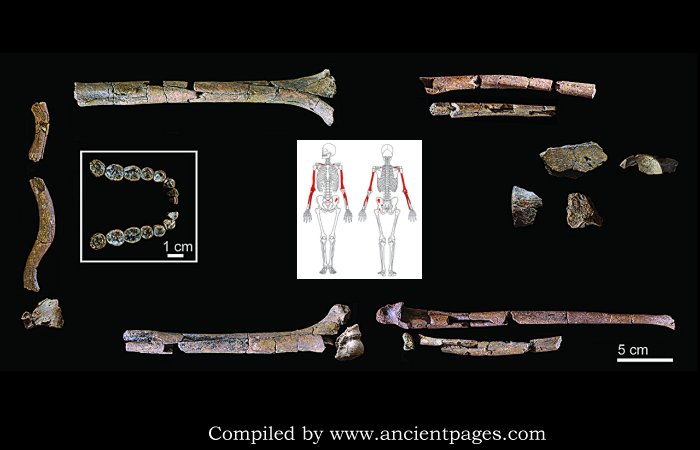
Jan Bartek – AncientPages.com – An international team of researchers has made a groundbreaking discovery in the field of human paleontology: an exceptionally well-preserved Homo habilis skeleton, estimated to be over 2 million years old. The fossil, labeled KNM-ER 64061, was unearthed in East Turkana, northern Kenya. This find represents the most complete postcranial (below […]
Oldest And Most Complete Skeleton Of ‘Homo Habilis’ Offers New Insight Into The Evolution Of Early Humans Read More »

Burtele Foot Fossil Reveals Two Ancient Human Ancestors Lived Side by Side

Burtele Foot Fossil Reveals Two Ancient Human Ancestors Lived Side by Side

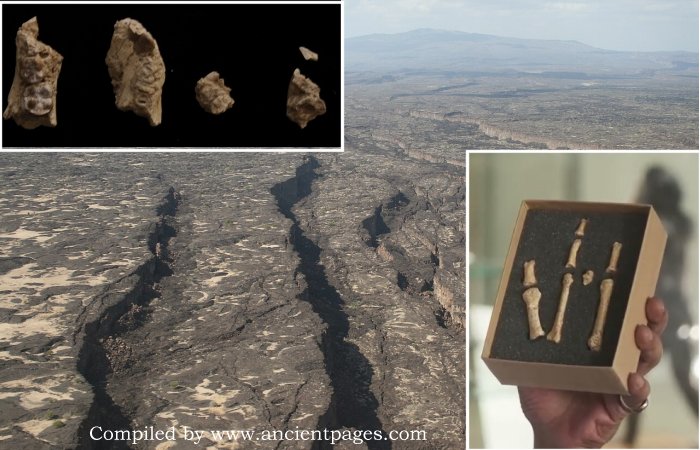
Jan Bartek – AncientPages.com – Recent discoveries have shed new light on the diversity of ancient human ancestors. The story goes back to 2009, when a team led by Arizona State University paleoanthropologist Yohannes Haile-Selassie uncovered eight foot bones dating back 3.4 million years in Ethiopia’s Afar Rift. This fossil, known as the Burtele Foot, was

Burtele Foot Fossil Reveals Two Ancient Human Ancestors Lived Side by Side Read More »

New Guineans And Aboriginal Australians Descend From Two Groups Who Arrived On The Supercontinent Sahul 60,000 Years Ago

New Guineans And Aboriginal Australians Descend From Two Groups Who Arrived On The Supercontinent Sahul 60,000 Years Ago

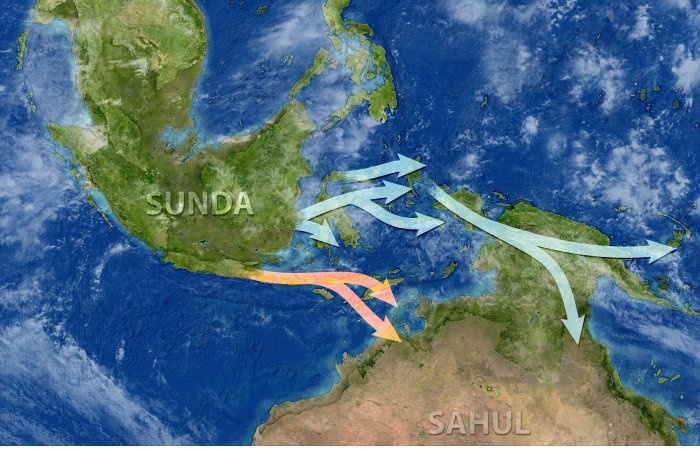
Jan Bartek – AncientPages.com – A recent study has provided new insights into the initial settlement of New Guinea and Australia by modern humans, Homo sapiens, enhancing our understanding of early seafaring and maritime mobility. During the last Ice Age, lower sea levels meant that New Guinea and Australia formed a single landmass known as Sahul.

New Guineans And Aboriginal Australians Descend From Two Groups Who Arrived On The Supercontinent Sahul 60,000 Years Ago Read More »

A New Fossil Face Sheds Light On Early Migrations Of Ancient Human Ancestor

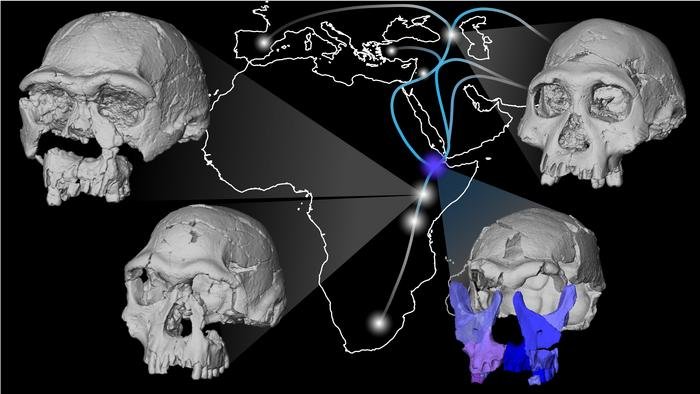
Old Fossil From Gona, Ethiopia – New Details About First Hominins To Leave Africa

Conny Waters – AncientPages.com – A team of international scientists, led by Dr. Karen Baab, a paleoanthropologist at the College of Graduate Studies, Glendale Campus of Midwestern University in Arizona, produced a virtual reconstruction of the face of early Homo erectus. The 1.5 to 1.6 million-year-old fossil, called DAN5, was found at the site of Gona,

Old Fossil From Gona, Ethiopia – New Details About First Hominins To Leave Africa Read More »

80,000-Year-Old Neanderthal Footprints Discovered On The Algarve Coast In Portugal

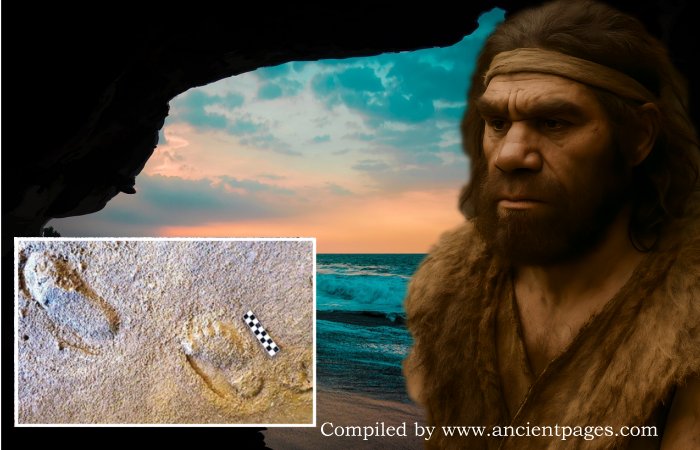
80,000-Year-Old Neanderthal Footprints Discovered On The Algarve Coast In Portugal

Jan Bartek – AncientPages.com – A recent international study published in Scientific Reports has identified a previously unknown Neanderthal site on Portugal’s Algarve coast. This site features the first fossilized Neanderthal footprints ever found in the region, offering new evidence of their presence in southern Portugal. The discovery represents a significant advancement in our understanding of

80,000-Year-Old Neanderthal Footprints Discovered On The Algarve Coast In Portugal Read More »

Did Ancient Lead Exposure Change The Evolution Of The Human Brain?

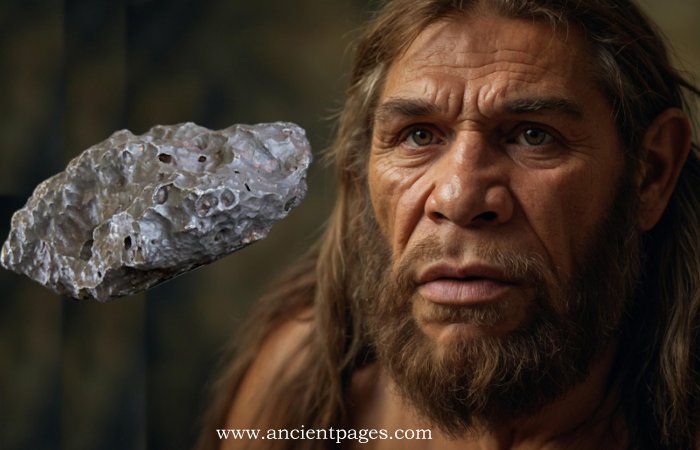
Did Ancient Lead Exposure Change The Evolution Of The Human Brain?

Jan Bartek – AncientPages.com – An international study has reshaped the understanding that exposure to the toxic metal lead is mainly a post-industrial occurrence. This research indicates that our human ancestors encountered lead periodically for over two million years, potentially influencing the evolution of hominid brains, behavior, and even language development. The study also provides insights

Did Ancient Lead Exposure Change The Evolution Of The Human Brain? Read More »

Yunxian 2 Skull Reveals Homo Sapiens Emerged One Million Years Ago - 400,000 Years Earlier Than Previously Thought

Yunxian 2 Skull Reveals Homo Sapiens Emerged One Million Years Ago – 400,000 Years Earlier Than Previously Thought

Jan Bartek – AncientPages.com – A recent groundbreaking study has proposed that Homo sapiens may have started to emerge over a million years ago, extending our species’ origins by 400,000 years beyond previous genetic estimates. Central to this discovery is the Yunxian 2 fossil, a one-million-year-old cranium initially classified as Homo erectus. New analysis reclassifies it

Yunxian 2 Skull Reveals Homo Sapiens Emerged One Million Years Ago – 400,000 Years Earlier Than Previously Thought Read More »

Mysterious MUC19 Gene - DNA From Denisovans Helped Ancient People Survive In America

Mysterious MUC19 Gene – DNA From Denisovans Helped Ancient People Survive In The Americas

Jan Bartek – AncientPages.com – Did you know that ancient peoples might owe their survival instincts to our extinct hominin ancestors? Recent studies suggest that genetic material from these early hominins played a vital role in helping ancient populations adapt to the diverse and challenging environments of the Americas. Thousands of years ago, ancient humans

Mysterious MUC19 Gene – DNA From Denisovans Helped Ancient People Survive In The Americas Read More »

Enigma Of Skull From Petralona Cave In Greece Is Solved And Changes The Human Evolution's History

Enigma Of Skull From Petralona Cave In Greece Is Solved And Changes The Human Evolution’s History

Conny Waters – AncientPages.com – For over fifty years, a significant enigma in the field of paleoanthropology has persisted. An almost complete cranium discovered in the Petralona, a Greek cave has puzzled scientists for decades, as they have struggled to accurately determine he artifact’s age orwhat place it had within the human evolutionary lineage. The

Enigma Of Skull From Petralona Cave In Greece Is Solved And Changes The Human Evolution’s History Read More »

Fossils Suggesting New Species Of Ancient Humans - New Discovery

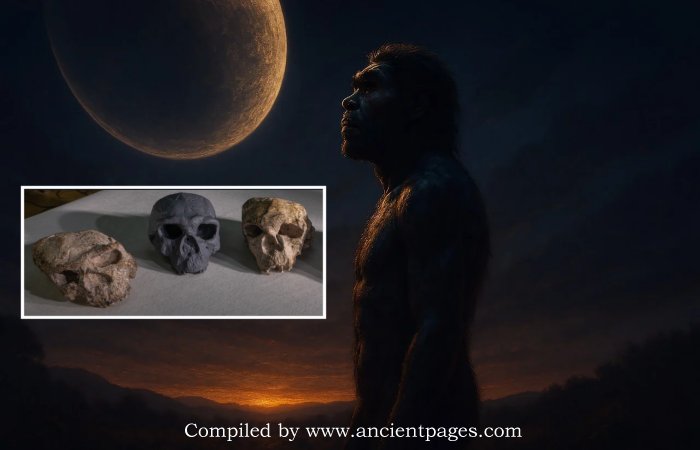
Fossils Suggesting New Species Of Ancient Humans – New Discovery

Conny Waters – AncientPages.com – A team of international scientists has discovered new fossils at a field site in Africa that indicate Australopithecus and the oldest specimens of Homo coexisted at the same place in Africa at the same time — between 2.6 million and 2.8 million years ago. The paleoanthropologists discovered a new species

Fossils Suggesting New Species Of Ancient Humans – New Discovery Read More »